Advertising Feature · Sponsored Content

Why Kitchens Everywhere Still Keep A Jar Of Honey Near The Reading Chair

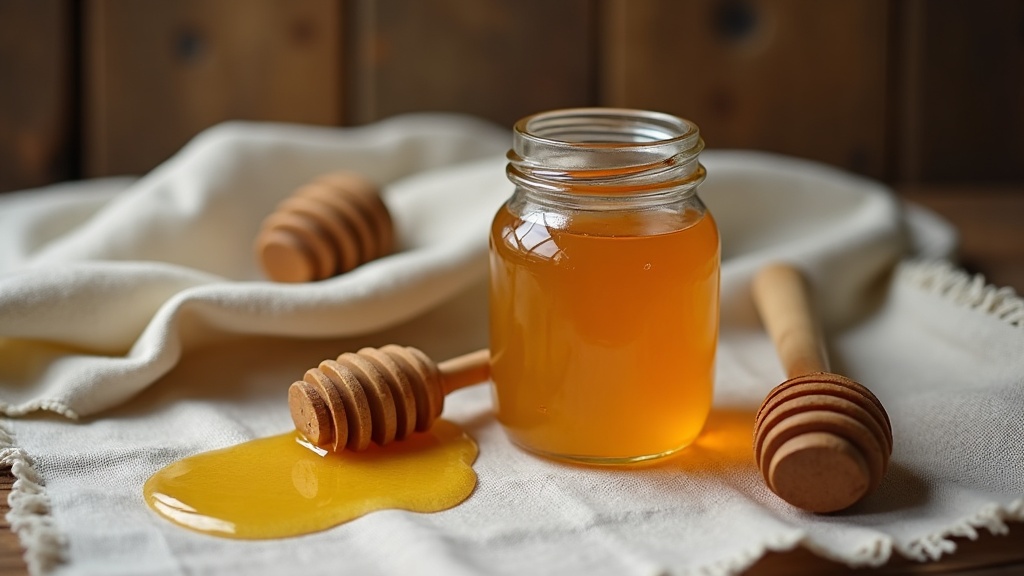
It starts small. A spoon of honey stirred into warm tea. A few quiet minutes before the words on the page get harder to hold onto. This video walks through that old evening habit and why curiosity about honey keeps coming back around, decade after decade.

An old evening ritual, explained simply  ·  Not a miracle. Just a habit worth knowing  ·  Watch before you judge it  ·  For anyone noticing small changes lately

Why Memory Shifts After 50

Tuesday afternoon. The car keys aren’t on the hook. You retrace your steps back to the kitchen table, and there they are — right next to the honey jar you set out earlier for tea. It happens more now. Not dramatic. Just… more often than it used to.

The Clock Feels Different

Minutes seem to slip by faster, and tasks that used to take no thought now need a second look at the calendar.

Sleep Doesn't Reset Like It Used To

A restless night used to mean one tired morning. Now it can carry into the whole week, foggy edges and all.

Energy Dips Hit Focus First

That mid-afternoon slump doesn't just make you sleepy — it makes it harder to hold a thought in place.

New Names Don't Stick Like Old Ones

You remember your first boss's name from forty years ago but blank on the neighbor you met last week.

Myths vs. Facts About Memory And Aging

A lot of what people assume about memory changes after 50 doesn’t hold up once you look closer.

MYTH

Forgetting a name means something is seriously wrong.

FACT

Occasional name slips are common with age and everyday stress. They’re not automatically a medical red flag.

MYTH

Once memory starts changing, daily habits don’t matter anymore.

FACT

Sleep, movement, and routine are widely discussed as supportive daily habits — not a fix, but not nothing either.

MYTH

Honey is just sugar with a nicer name.

FACT

Honey has been part of traditional evening rituals for generations, valued as much for the calming pause it creates as for what’s in the jar.

The Evening Ritual, Broken Into Three Steps

Nothing complicated here. Just a sequence, repeated on purpose, most nights.

01

Step One: Slow The Evening Down

Pick a fixed point in the evening — right after dinner, say — where the phone goes down and the kettle goes on.

02

Step Two: Build A Small, Repeatable Ritual

Warm water, a spoon of honey, a few quiet minutes at the table. The same steps, most nights, so it becomes automatic.

03

Step Three: Watch, Don't Force

This isn’t about chasing a result. It’s about noticing how the evening feels when it has a little structure to it.

Where This Habit Actually Comes From

Long before anyone was talking about cognitive health in headlines, grandmothers were putting a kettle on and stirring honey into warm drinks before winding down for the night. It shows up in old-world kitchens across very different cultures — a small, unremarkable ritual passed along more by habit than by explanation. Nobody wrote it down as a solution to anything. It was just what you did before the house got quiet.

The pause itself — the few quiet minutes with a warm cup in hand — may matter as much as anything sitting inside the jar.

Signs People Often Brush Off

Losing Track Mid-Sentence

You know exactly what you meant to say — until the words are already out and the point has wandered off.

Misplacing Everyday Items More Often

Glasses, phone, keys. Not lost forever, just constantly one room away from where you last set them down.

Struggling To Follow Group Conversations

One-on-one is fine. Add three more voices around the table and it gets harder to keep up with who said what.

Feeling Foggy By Mid-Afternoon

Mornings are sharp. By 3pm, everything feels like it's happening through a slightly fogged window.

Needing More Reminders Than Before

Sticky notes, phone alarms, calendar pings. The system that used to be all in your head now needs backup.

Trouble Recalling Recent Conversations

Someone mentions 'like we talked about last week' and you genuinely can't place when or what was said.

What People Say After Watching

I didn't expect to sit through the whole thing, but it explained the evening habit in a way that finally made sense to me.

Ruth D.
Illustrative account
My wife has done this honey-and-tea thing for years and never told me why. Now I get it — or at least I get the idea behind it.
Harold M.
Illustrative account
It's a simple ritual, nothing flashy. I appreciated that the video didn't promise anything wild, just explained where it came from.
Lorraine P.
Illustrative account

These are individual accounts shared for illustrative purposes only. Names are fictional composites and results, opinions, or experiences described are not typical, guaranteed, or a substitute for professional medical advice.

Common Questions

No. This video discusses a traditional evening habit involving honey. It doesn’t claim to cure, treat, or prevent any condition.

Honey has a long history in evening rituals across many cultures. The video explores that tradition and the reasoning some people give for keeping it up.

Not at all. It’s aimed at adults 50 and older who’ve noticed everyday changes and are curious about traditional habits, nothing more.

It’s short enough to watch in one sitting, with the evening ritual explained step by step.

No purchase is required to watch or understand the content. It’s presented as educational and informational.

No. Nothing here replaces professional medical advice. If you have real concerns about memory or cognition, please speak with a healthcare provider.

The video discusses traditional practices and general habits. It does not present clinical trial data or medical claims.

Curious About The Full Story?

See the evening ritual explained from start to finish — where it came from, why it stuck around, and what people say about keeping it up.

Advertising Disclosure: This page is sponsored content and an advertising feature. It may contain affiliate links, and we may receive compensation if you click a link or make a purchase through this page. This does not affect the price you pay.

Content Disclaimer: This content is for educational and informational purposes only. It has not been evaluated by the FDA. Nothing on this page is intended to diagnose, treat, cure, or prevent any disease or medical condition. Always consult a qualified healthcare professional before making changes to your health routine.

Results Disclaimer: Individual results and experiences vary from person to person. Testimonials shared on this page reflect individual opinions and are not a guarantee of any specific outcome or result.

© 2026 · All Rights Reserved · Contact